
What Makes a Machine Embroidered Artwork Truly Collectible?


Summary: Collectible machine embroidered artwork combines originality, artistic intent, technical skill, and thoughtful presentation. Limited editions, artist reputation, and provenance help collectors understand its significance. By examining the craftsmanship, production method, and story behind each piece, buyers can choose textile art that offers lasting beauty and personal meaning. Rick Horn's embroidery prints celebrate Northwest Florida's coastal landscapes through thread-based fine art printmaking.
Where the thread remembers the land, and every stitch holds a story.
Some artworks capture a place. Others make you feel its quiet presence. Machine embroidered fine art brings landscapes to life through thread, color, and careful craftsmanship, creating original textile artwork with lasting artistic value.
A collectible embroidered artwork offers more than beauty. It brings together artistic vision, skilled making, originality, and a story worth keeping. Unlike mass-produced decor, collectible fiber art carries the artist's personal expression. Each piece reflects thoughtful choices, from color and texture to composition and technique.
Originality: A Landscape Seen Through Different Eyes
What makes one embroidered artwork stand apart from another? Its original vision.
An original textile artwork begins with an artist's own ideas, observations, and creative choices. The subject may be familiar, but the interpretation should feel fresh.
A coastal landscape, for example, can become much more than blue water and sandy shores. Thread can capture shifting light, soft grasses, and the gentle movement of nature.
Look for artworks that express a clear artistic voice. Originality gives a piece its identity and makes it memorable.
Artistic Intent: When Thread Becomes a Language
Collectible embroidery is not simply decoration made with a machine. It is art created through deliberate decisions.
The artist chooses colors, shapes, textures, and stitch patterns to express a particular feeling or view. Every element serves the larger composition.
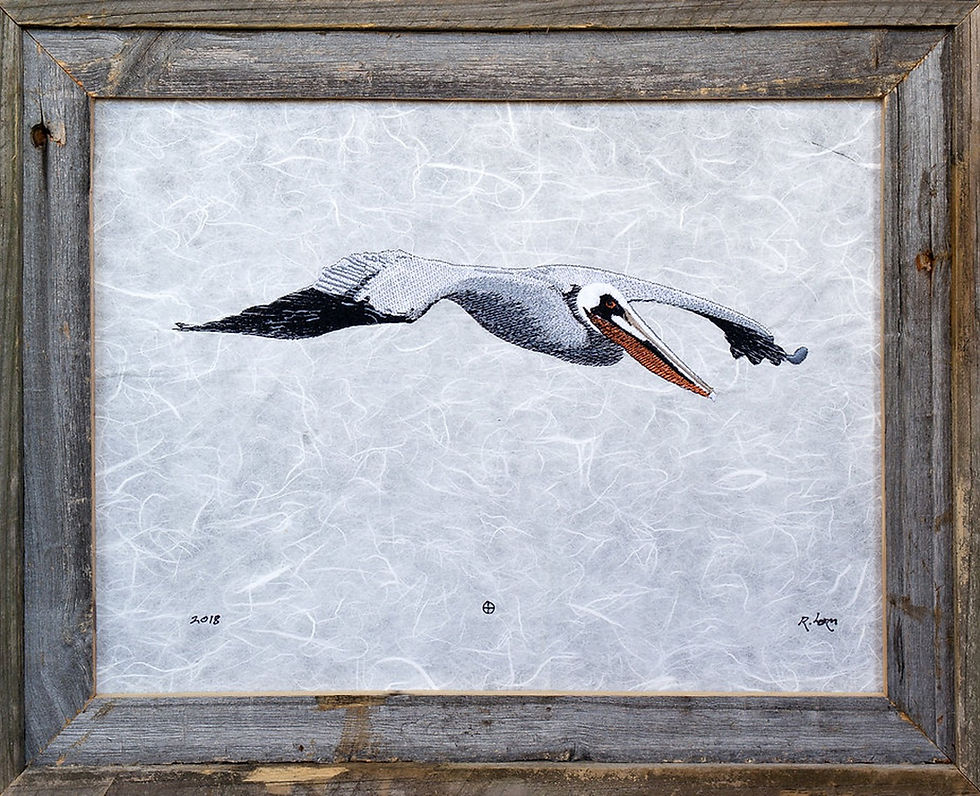
At Hayoka Press, Rick Horn treats embroidery as a fine art printmaking medium. His hand-drawn color compositions use thread in place of ink, much like serigraphy or etching.
This approach gives embroidery a distinct place within contemporary art. It allows collectors to appreciate the technique as both a creative process and an artistic statement.
Technical Skill: The Beauty Behind Every Thread
A skilled embroidered artwork balances precision with artistic freedom.
Look closely at the stitching. Are the colors layered with care? Do the thread patterns support the image? Does the artwork feel balanced from a distance and interesting up close?
Machine embroidery can create fine details, rich color, and varied textures. Yet technical skill matters most when these qualities serve the artist's vision.
The best pieces make the technique feel natural. You notice the landscape first, then discover the craftsmanship that brings it to life.
Limited Editions: Why Numbers Matter
Limited-edition art offers collectors a clear sense of scarcity.
An edition is a set number of artworks produced from the same original design. Each print should carry its own edition number, such as 12/50.
Sequential numbering helps you understand where your artwork belongs within the series. It also makes the edition easier to document and track.
However, a small edition alone does not make art collectible. The design, quality, artist's reputation, and clear edition details matter just as much.
Artist Reputation: The Story Behind the Work
An artist's reputation grows through consistent work, a clear style, and a meaningful connection with their subject.
When choosing collectible fiber art, learn about the artist. Explore their creative process, inspirations, and previous works.
Rick Horn draws inspiration from the coastal dune lakes and landscapes along Northwest Florida's scenic Highway 30A.
These natural settings give his embroidery prints a strong sense of place. For collectors who love the Florida coast, the artwork offers more than a view. It holds a connection to a landscape they remember.
Presentation: Let the Artwork Find Its Place
The way you display embroidery can shape how you experience it.
A well-chosen frame protects the artwork and helps its colors stand out. Custom framing also allows you to match the piece with your home's style.
For coastal homes, natural wood frames can bring warmth and a relaxed feel. Modern interiors may suit cleaner lines and simple finishes.
Hayoka Press offers custom framing, including distressed, reclaimed cypress wood. Unframed textile art prints also give you the freedom to choose a frame that fits your space.
How to Choose Embroidered Art That Lasts
Before buying, ask yourself three simple questions:
Does the artwork feel original? Is the craftsmanship clear? Does the story behind it matter to you?
Then consider practical details. Check the edition size, dimensions, framing options, and care needs.
If you are searching for a machine embroidery painting for sale, look beyond the image. Learn how it was made and what makes it different.
A bespoke embroidered portrait may appeal to you for its personal meaning, while a landscape print may connect you with a place you love.
Both can hold lasting value when artistic quality and thoughtful making come together.
Bring Home Art That Holds a Story
Collectible embroidery brings together nature, technique, and artistic vision in a form you can live with every day.
When you choose original textile artwork, you are not simply filling a wall. You are bringing home a piece of the artist's world.
At Hayoka Press, we invite you to explore our hand-drawn, sequentially numbered embroidery prints inspired by 30A's coastal landscapes. Discover thread-based printmaking, custom framing, and art made to be treasured. Contact us at rickhorn23@gmail.com or 850-708-4347 to find a piece that speaks to you.
Frequently Asked Questions
What is collectible fiber art?
Collectible fiber art is original artwork made with materials such as thread, fabric, and yarn. Its value comes from artistic vision, craftsmanship, originality, and documented history.
Is machine embroidery considered fine art?
Yes. Machine embroidery can be a fine art medium when artists use it to express original ideas through composition, color, texture, and skilled technique.
Are limited-edition embroidery prints valuable?
They can be. Limited editions offer scarcity, but artistic quality, edition documentation, the artist's reputation, and collector interest also shape their value.
How do I care for embroidered artwork?
Keep it away from direct sunlight, excess moisture, and dust. Use suitable framing and follow the artist's care instructions to protect its color and structure.
What should I check before buying textile art prints?
Review the artist's name, edition details, materials, production method, dimensions, framing options, and purchase documentation. Choose artwork that feels meaningful to you.


Comments