
Textured Embroidered Canvas Wall Art for Modern Homes: An Artistic Touch!

Summary: Textured embroidered canvas wall art brings warmth and depth to modern interiors through raised stitches, layered thread, and tactile surfaces. This guide explains thread as a fine-art printmaking medium, inspired by Northwest Florida’s coastal dune lakes along Highway 30A. It also covers choosing scale, lighting, framing, placement, collecting, and buying thoughtfully.
“When thread leaves the cloth and enters the world of art, every stitch becomes a brushstroke with a story.”
Embroidered Canvas Wall Art: Where Texture Changes the Room
Textured embroidery gives a quiet room something to hold onto. Embroidered canvas wall art adds raised stitches, layered thread, and natural depth without making modern spaces feel crowded in a modern home.
If your walls feel flat, texture can change the mood without adding more color. Raised stitches catch light gently, creating shadows that shift as you move around the room each day.
That matters in modern interiors because clean furniture and open walls can sometimes feel too polished. Tactile artwork brings warmth while keeping the visual language calm, simple, and refined.
Why Texture-Led Design Feels So Different
Texture-led design focuses on what your eyes see and your hands almost expect to feel. Knots, layered threads, tight stitches, and uneven surfaces give artwork a quiet physical presence. Unlike a printed image that stays visually flat, textile work builds its surface one thread at a time. The result feels closer to a small landscape you can slowly discover.
Fine art embroidery prints take this idea further. Here, embroidery is treated as a printmaking medium, much like serigraphy, block printing, or etching, rather than simple decoration.
That distinction changes how you view the artwork. Thread becomes the mark-making tool, replacing ink while preserving the artist's drawn color structure, line, rhythm, and sense of place by hand gently.
For you as a buyer, this approach offers something meaningful: a textile artwork can carry the character of an original art process while remaining available as a carefully produced print.
From Coastal Field Painting to Stitched Canvas Art
Rick Horn's work follows this thread-based printmaking approach. The pieces draw from field paintings of the coastal dune lakes along Northwest Florida's scenic Highway 30A.
Those landscapes bring a natural calm to the work. Coastal grasses, open water, shifting skies, sandy edges, and soft horizon lines translate beautifully into layered stitched surfaces.
The appeal is not simply that the subject looks coastal. The stronger connection comes from how the thread interprets the landscape, giving familiar scenery a slower, tactile visual language.
If you love nature art but want something less predictable than a standard beach print, this process gives you another option. You get landscape imagery with a crafted surface.
That is where embroidered wall art can work especially well. It softens sharp architectural lines, adds depth beside smooth furniture, and gives a neutral room one thoughtful focal point.
How to Choose Textile Artwork Without Guesswork
Before buying, look closely at the stitch structure. Dense areas should feel intentional, while open sections should create breathing room. Good texture has rhythm; it should never feel randomly packed.
Also consider scale. A small textile print can disappear above a large sofa, while an oversized piece may dominate a narrow wall. Measure the space before choosing the artwork.
Your lighting matters, too. Side lighting can reveal raised stitches and subtle shadows that overhead lighting may hide. This makes placement part of the artwork experience, not an afterthought.
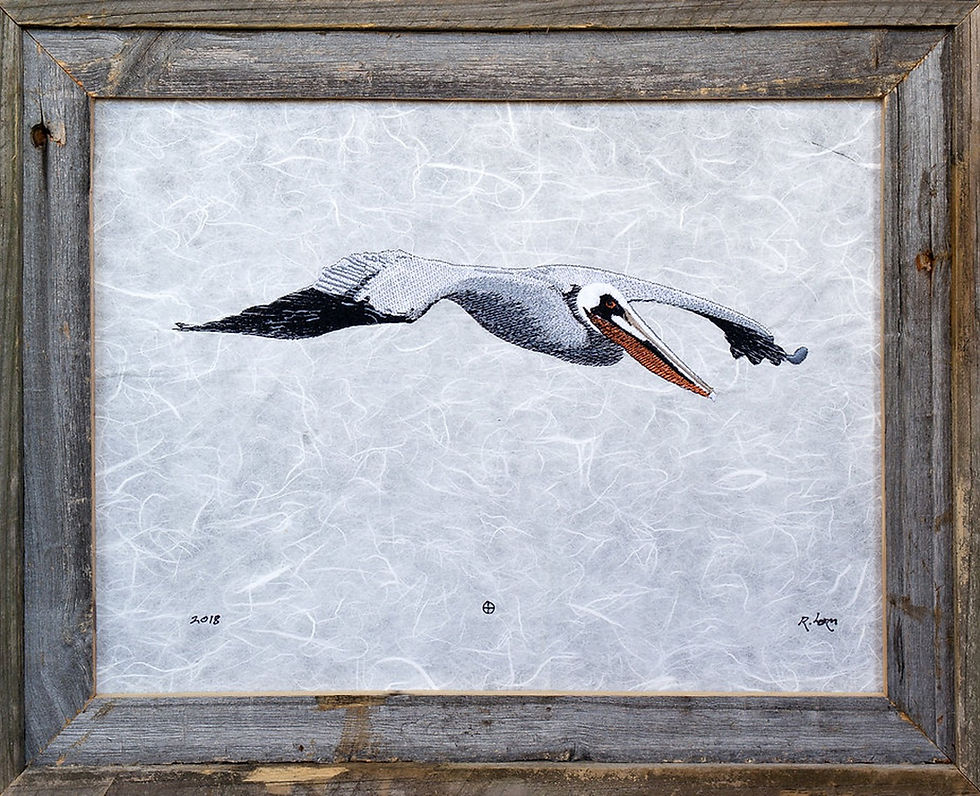
Framing deserves the same care. Embroidered framed art can feel polished and gallery-ready, while an unframed textile print gives you more freedom to choose a frame that suits your home overall.
Custom framing becomes especially useful when your room has strong wood tones or a coastal character. Reclaimed or distressed wood can echo the landscape without turning the room into a theme set.
If you prefer a lighter modern look, choose a restrained frame with enough breathing space around the textile. The goal is support, not competition between frame and artwork.
Let the Artwork Work With Your Home
Think about where the piece will live. A bedroom benefits from quieter compositions, while an entryway can handle stronger lines. Dining areas often suit landscapes that invite lingering conversation.
For a living room, look at the whole wall rather than the empty space alone. Your sofa, shelves, lamps, and nearby textures should help the artwork feel naturally placed.
Used thoughtfully, canvas art wall decor can bridge several styles. It can soften contemporary rooms, complement rustic materials, or add an organic note to a coastal interior.
If you are building a collection, avoid choosing every piece because it matches the sofa. Instead, repeat a feeling: water, grasses, open space, muted color, or visible handwork.
That approach creates a collection with a visual story. The pieces do not need identical colors or frames because their shared texture and landscape language already connect them as a collection.
What Collectors Should Check Before Buying
Collectors should also ask how a textile print was produced. Sequential numbering, consistent print editions, artist involvement, and clear framing details help you understand what you are actually purchasing.
An edition should feel considered rather than mass-produced. Ask whether the composition began as a hand-drawn work, how the thread was layered, and whether each print belongs to a numbered sequence before purchase.
For homeowners, this information also solves a common problem: finding nature-inspired art that feels personal rather than generic. A regional landscape can carry memory, place, and emotional connection nearby.
That connection is especially strong for people who know Northwest Florida's Highway 30A. Coastal dune lakes are unusual natural features, and their quiet character gives the artwork a distinct sense of place.
If you are visiting the area, textile art can also become a more lasting reminder than a typical souvenir. It brings a local landscape home through material, craft, and artistic interpretation.
Where Stitched Landscape Art Finds Its Place
At home, stitched canvas art works best when you give it room to breathe. Avoid crowding it with many small objects, because texture needs visual space to speak clearly. An unframed textile print also gives you flexibility. You can choose a float frame, a simple wood frame, or another finish later, depending on how your interior develops.
For a coastal home, natural wood and soft neutral walls make an easy pairing. For a modern home, clean lines and generous negative space let the stitching become the main visual detail.
If you are choosing wall canvas art for living room spaces, place the artwork where seated viewers can see its surface. Texture is most rewarding when you can notice its small details.
Why This Art Feels Personal
The best textile artwork does more than fill a blank wall. It changes how the room feels, adds evidence of human hands, and gives a familiar landscape a fresh voice.
That is the real strength of texture-led design. You are not simply buying decoration; you are choosing an artwork whose surface, process, subject, and setting can work together.
We at Hayoka Press invite you to explore numbered embroidery prints inspired by NW Florida landscapes; contact rickhorn23@gmail.com or 850-708-4347 for framing options.
Frequently Asked Questions
Is embroidered canvas wall art suitable for modern interiors?
Yes. Raised stitches add warmth and depth to clean spaces, while restrained colors and simple compositions keep the overall look contemporary.
What makes embroidery a printmaking medium?
The artist uses thread much like ink. Hand-drawn color compositions become repeated textile editions through layered stitching, creating numbered works with tactile surfaces.
Should you choose framed or unframed textile art?
Choose based on your room and flexibility. Framed pieces arrive presentation-ready, while unframed prints let you select a frame later.
How should you light textured embroidery?
Use soft side lighting when possible. It reveals stitch height, small shadows, and surface changes that flat overhead lighting may hide.
Why choose coastal landscape textile artwork?
Coastal landscape art connects place, memory, and natural beauty. Textile techniques add another layer by translating water, grasses, sky, and shoreline into tactile form.

Comments