
Can Woven Seascape Art Become a Statement Home Feature?


Summary: Woven seascape art can become a statement home feature through its scale, texture, composition, and ocean-inspired colors. Tapestry weaving, yarn layering, fringe, and tonal transitions bring coastal landscapes to life. This guide helps buyers choose artwork for different rooms and interiors, while introducing Rick Horn’s hand-drawn, numbered embroidery prints inspired by Northwest Florida’s coastal dune lakes.
A statement piece does more than fill an empty wall. It draws your eye, sets the room’s mood, and tells a story. Woven seascape art brings the ocean’s quiet beauty into your home.
What Makes Woven Seascape Art a Statement Piece?
Woven seascape art can become a striking home feature when its colors, scale, and texture work together. It turns an ordinary wall into a focal point filled with depth, movement, and calm.
Unlike flat prints, woven ocean landscapes bring texture through yarn, thread, and layered fibers. Their changing surfaces echo rolling waves, sandy shores, and shifting coastal skies.
If you love coastal interiors but want something beyond shells and nautical signs, abstract textile landscapes offer a fresh approach. They feel artistic, personal, and quietly sophisticated.
For collectors exploring coastal embroidery art for sale, textile-based landscapes offer a distinctive way to bring nature indoors. Each piece can add character without overwhelming the room.
How Does Weaving Bring the Ocean to Life?
The ocean rarely holds one color or shape. Light moves across water, waves break into foam, and distant shores fade into soft blue tones. Fiber art captures these changes through texture.
In tapestry weaving, artists arrange threads across a surface to create patterns, shapes, and images. Different yarn weights and weaving methods can suggest movement, depth, and natural forms.
Fringe can resemble sea foam or beach grass. Dense yarn layers create the feeling of deeper water, while loose threads add movement. These details give woven seascapes their expressive character.
Some artists use tonal fiber transitions, blending nearby shades instead of creating sharp lines. This approach reflects the gentle shift from pale sand to turquoise water and deeper ocean blues.
Where Can Woven Ocean Art Make the Biggest Impact?
The best location gives your artwork room to breathe. Place it where natural light reveals its texture, but avoid strong sunlight that may fade delicate fibers over time.
Above a console table, woven seascape art creates a welcoming entry. In a living room, it can soften clean lines and balance smooth furniture surfaces.
Bedrooms benefit from quieter compositions with gentle colors. Dining areas can support bolder pieces that bring energy without overwhelming the space.
Coastal thread art decor adds a handmade touch to modern living spaces. Its layered textures create visual interest while keeping the room relaxed and inviting.
What Should You Check Before Buying?
Look closely at the materials, size, and finish. Quality textile artwork should feel intentional, with clear details and a composition that holds together from a distance.
Ask whether the piece is woven, embroidered, or printed using textile methods. These techniques create different textures and artistic effects.
If you are buying online, check the artwork’s dimensions, framing options, and display method. Coastal textile art for home interiors brings warmth and texture while complementing natural materials and soft colors.
Collectors may also value limited editions, numbered prints, and details about the artist’s process. These details help you understand what makes the artwork distinctive.
A Different Way to Experience Coastal Art
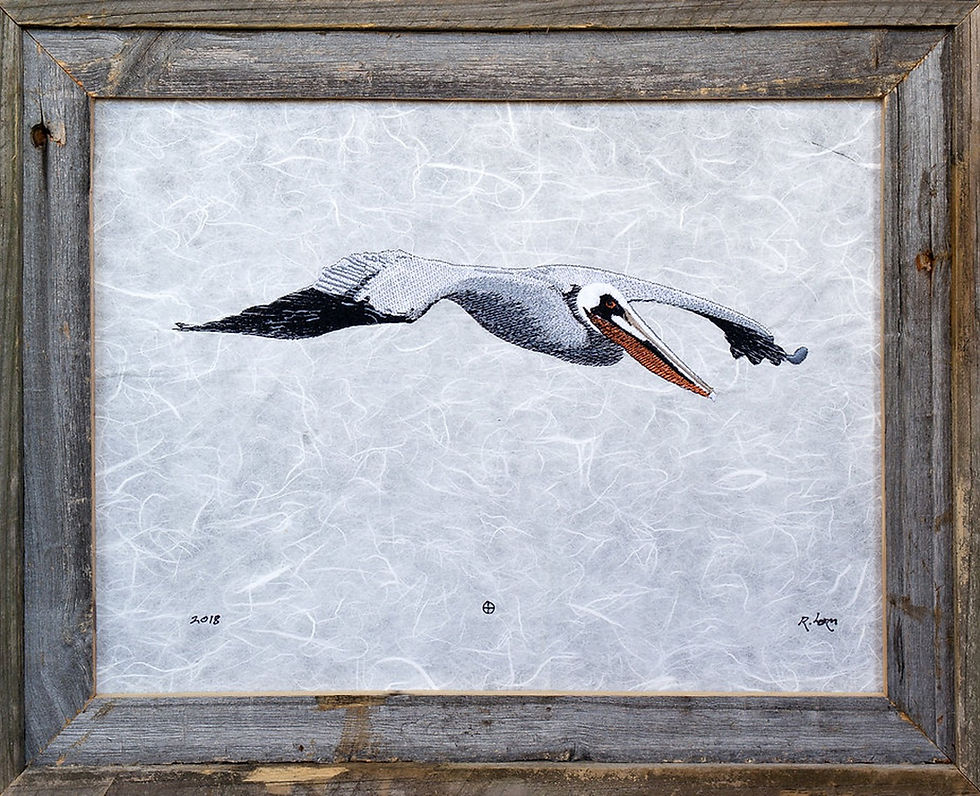
At Hayoka Press, Rick Horn reimagines fine art printmaking through thread. His original embroidery prints draw inspiration from field paintings of Northwest Florida’s coastal dune lakes along scenic Highway 30A.
Rather than using ink alone, Rick layers hand-drawn color compositions with embroidery thread. The process treats embroidery as a printmaking medium, much like serigraphy, block printing, or etching.
Each print is sequentially numbered and can be custom-framed in distressed, reclaimed cypress wood. The result brings together landscape, craftsmanship, and the natural character of the Florida coast.
These unframed textile art prints offer collectors a fresh way to experience coastal landscapes. Custom framing lets you choose a finish that suits your home while preserving the artwork’s character.
Let the Ocean Shape Your Space
Woven seascape art can become a lasting statement feature when its scale, colors, and textures feel right for your home. It offers more than coastal decoration. It brings the movement and quiet beauty of nature indoors.
At Hayoka Press, we invite you to explore our original thread-based landscape prints and find a piece that speaks to your space. Contact us at rickhorn23@gmail.com or 850-708-4347 to discuss artwork and custom framing.
Frequently Asked Questions
Can woven seascape art suit modern interiors?
Yes. Abstract shapes, clean compositions, and restrained ocean colors work well with modern furniture. The texture adds warmth without making the room feel busy.
What is the difference between woven and embroidered seascape art?
Woven art forms images through interlaced threads. Embroidery adds stitches to a fabric surface, creating lines, textures, and layered details.
How do I choose the right size?
Measure your wall and nearby furniture first. Choose a piece that feels balanced with its surroundings and leaves enough open space around it.
Are textile art prints suitable for coastal homes?
Yes. Their natural textures and ocean-inspired colors complement coastal materials such as wood, linen, stone, and soft neutral fabrics.
Can unframed textile prints be custom-framed?
Many textile prints can be custom-framed. Check the artist’s framing options and choose a frame that protects the artwork while matching your interior.


Comments